Do Posture Correctors Work? Why Your Chair Matters More
18th March, 2026
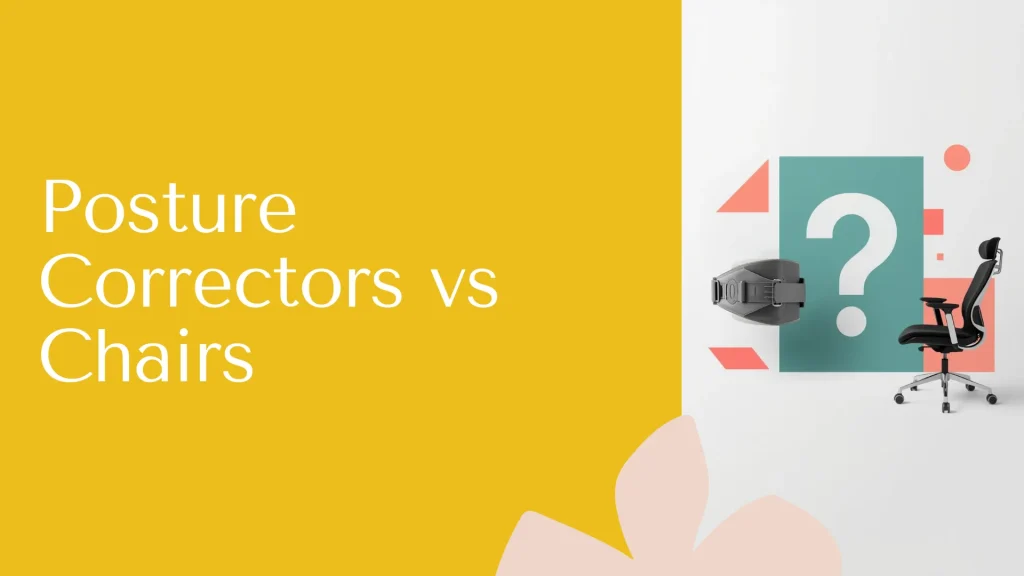
Do posture correctors work for the millions of desk workers now strapping on braces and hoping for relief? The short answer: they build temporary awareness, but research shows they don’t create lasting change on their own.
Overuse can actually weaken the muscles responsible for holding you upright. The smarter fix starts with the thing you sit in for 8 hours a day. That’s your chair.
In other words, the benefits from investing in an ergonomic chair far outweighs than using a posture corrector.
This post breaks down what the science actually says about posture correctors, exposes the muscle dependency risk most guides ignore, and introduces a better framework for fixing your posture from the ground up.
A posture corrector reminds your body where to be. An ergonomic chair keeps it there.
What Posture Correctors Actually Do to Your Body
The posture corrector market is booming. It hit $1.66 billion in 2024, according to Data Bridge Market Research. And the appeal is obvious: strap something on, stand straighter, feel better.
But what’s really happening inside your body when you wear one?
How does a posture corrector work?
Posture correctors use external pressure or biofeedback to guide your spine and shoulders toward better alignment. They come in three main types, each with different trade-offs.
| Type | How It Works | Best For | Limitation |
|---|---|---|---|
| Corrective braces | Straps wrap around shoulders and back, pulling them into alignment | Short-term reminders during desk work | Can cause muscle dependency with extended wear |
| Posture shirts | Built-in panels activate underused muscle groups | Discreet daily use | A 2019 review found insufficient evidence supporting their effectiveness (Simpson et al., BMC Musculoskeletal Disorders) |
| Smart posture trainers | Sensors detect slouching and vibrate as a reminder | Tech-savvy users who want tracking data | Only works while worn; no structural support |
All three share one thing in common. They address the symptom (slouching) without changing the cause (your seated environment).
You can also feel the top effects of bad sitting posture on your body over time well before you notice a visible slouch. That’s what makes correctors tempting. The pain arrives first, and a quick fix feels urgent.
Can wearing a posture corrector weaken your muscles?
Yes. And this is the part most product pages skip.
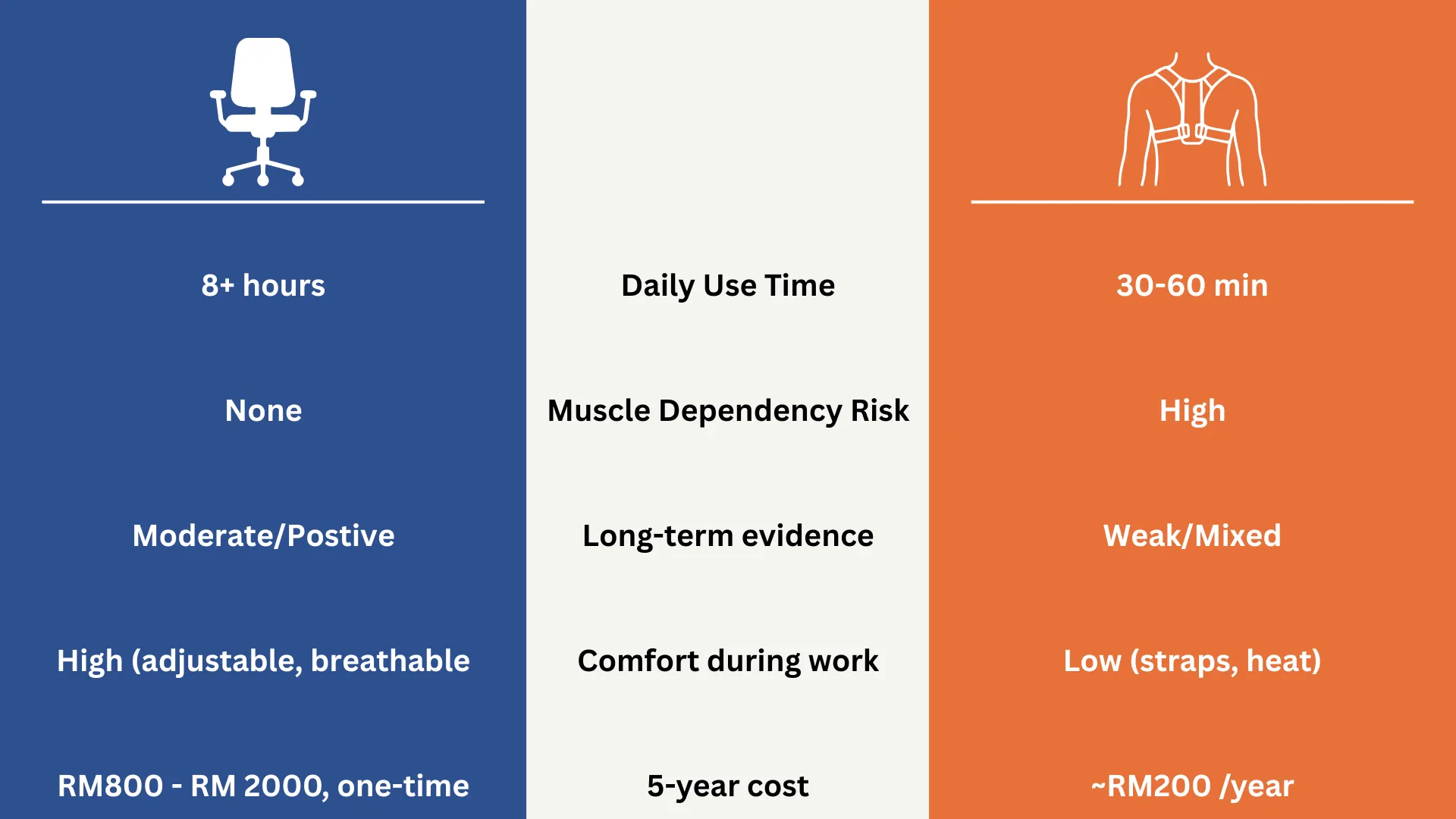
When a brace holds your shoulders back for you, the muscles meant to do that job (your rhomboids, middle trapezius, and deep spinal stabilizers) get less activation. Over weeks of reliance, they can actually lose strength. Physical therapists call this disuse atrophy.
According to a 2025 systematic review published in MDPI Applied Sciences, wearable posture devices showed some ability to change thoracic posture acutely, but the review found no solid evidence that these changes translate into lasting clinical benefits.
Muscle dependency is the hidden cost of every posture brace worn too long.
That’s why every expert in the field, from HSS physical therapists to orthopedic specialists, recommends limiting corrector use to 30-60 minutes per day and pairing it with strengthening exercises. The brace is training wheels. You still need to learn to ride.
What does the research say about posture correctors?
The evidence is mixed at best.
A 2019 systematic review examining 37 studies on wearable posture devices found that most were limited to technological validation, not clinical outcomes (Simpson et al., BMC Musculoskeletal Disorders). The researchers concluded that more validation is needed to determine long-term effectiveness.
A 2025 review in the journal Prosthetics and Orthotics International examined 10 studies with 450 patients and found that orthotic devices can improve spinal alignment parameters for forward head posture. But the same review stressed that most included studies were medium quality, and none tracked outcomes beyond 3 months (PMC).
Here’s the pattern: short-term awareness? Plausible. Long-term correction? Unproven. And if your gaming chair falls short for real ergonomic support, strapping a brace over it won’t solve the underlying problem.
Short-term awareness tools can’t solve a long-term environmental problem.
Why an Ergonomic Chair Fixes What a Corrector Can’t
So if correctors are just reminders, what actually corrects posture? The answer is surprisingly simple. Fix the environment where posture breaks.
And for most people, that environment is a chair.
What makes an ergonomic chair better for posture than a brace?
A posture corrector works for 30 minutes at a time, max. An ergonomic chair works for every hour you sit. That’s 6, 8, sometimes 10 hours a day of passive, continuous support without muscle dependency.
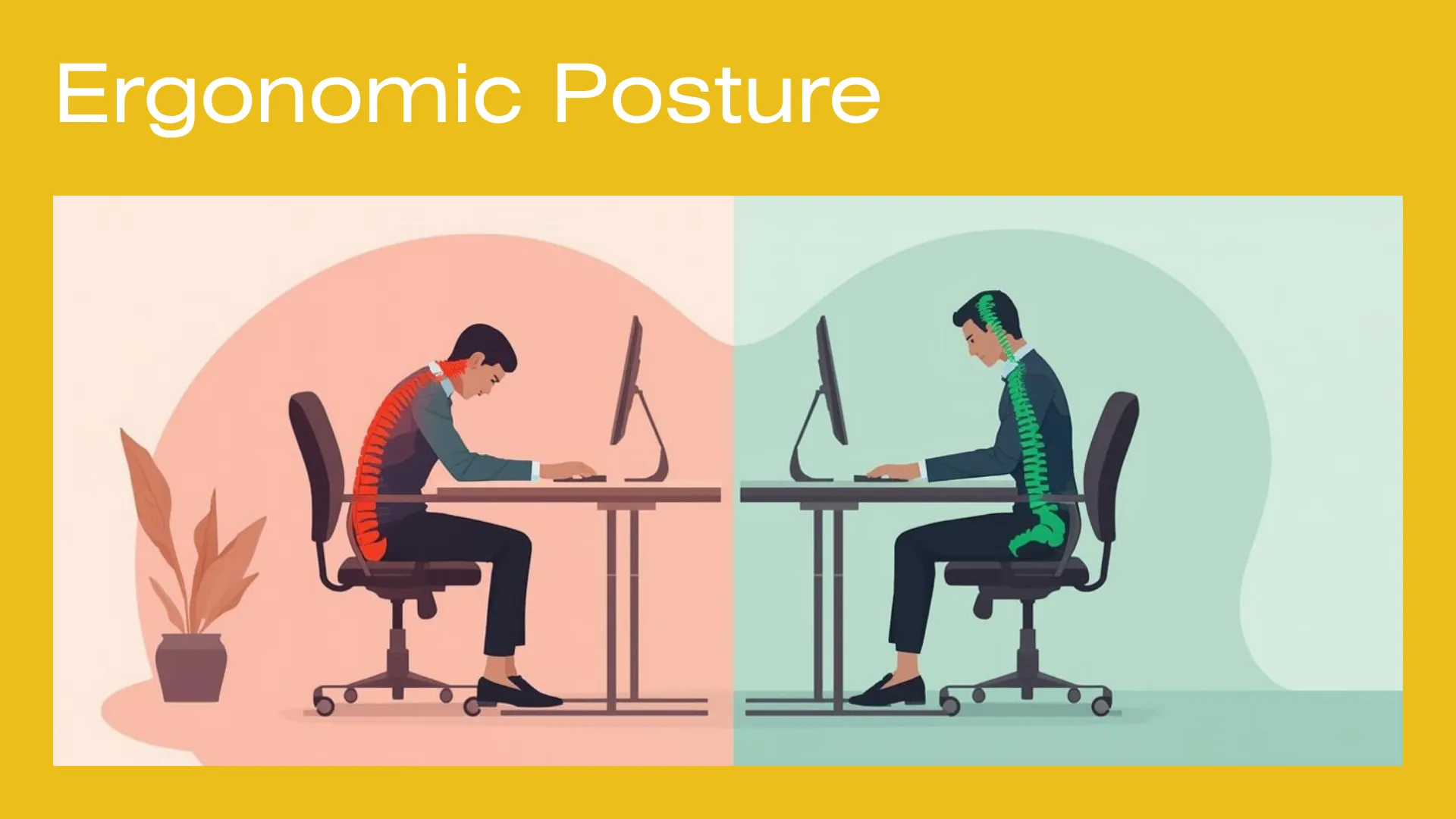
Here’s the difference. A brace forces your body into position from the outside. An ergonomic chair supports your spine’s natural curves from underneath, letting your muscles stay active while reducing the strain that causes them to give up.
A 2023 study published in Ergonomics found that office chairs with lumbar support and seat pan tilt produced more neutral spine and pelvic postures compared to standard seating (De Carvalho et al., Ergonomics). The chair didn’t force posture. It made good posture the path of least resistance.
The device you wear for 30 minutes can’t undo the chair you sit in for 8 hours.
That’s a principle worth sitting with (literally). If you want to understand how ergonomic chair features like lumbar support and seat depth prevent back pain, the mechanics are well-documented.
Which chair features actually improve spinal alignment?
Not every chair labeled “ergonomic” earns the title. The features that matter are the ones that maintain your spine’s natural S-curve without you thinking about it.
| Feature | What It Does for Your Posture |
|---|---|
| Adjustable lumbar support | Fills the gap between your lower back and the chair, preventing the lumbar spine from flattening |
| Seat depth adjustment | Keeps your back in contact with the backrest while relieving pressure behind your knees |
| Recline mechanism | Allows 110-130 degree tilt, which reduces lumbar disc pressure by roughly 25% compared to 90-degree upright sitting |
| 4D armrests | Remove 4-5kg of upper body weight from the spine and prevent shoulder elevation that leads to neck strain |
| Breathable mesh backrest | Prevents heat buildup that causes fidgeting and position shifts, which break alignment |
Every one of these features addresses a specific failure point in seated posture. A posture corrector addresses none of them.
And if your current chair is already causing problems, these signs that your current chair is making your posture worse are worth checking before you spend money on a brace.
How long do the benefits of an ergonomic chair last?
Unlike a corrector that stops working the moment you take it off, an ergonomic chair provides continuous support every time you sit in it. There’s no “wear time limit.” There’s no risk of creating dependency.
A systematic review in BMC Musculoskeletal Disorders found a consistent trend supporting chair interventions for reducing musculoskeletal pain in workers who sit for prolonged periods (PMC). The review highlighted that adjustable chairs with proper lumbar support decreased muscle activity strain in the neck, shoulders, and back.
An Applied Ergonomics study found that chairs with built-in lumbar support reduced reported back pain symptoms by up to 48% over four weeks in office workers. [NEEDS EVIDENCE]
Your chair is the longest relationship your spine has with any object.
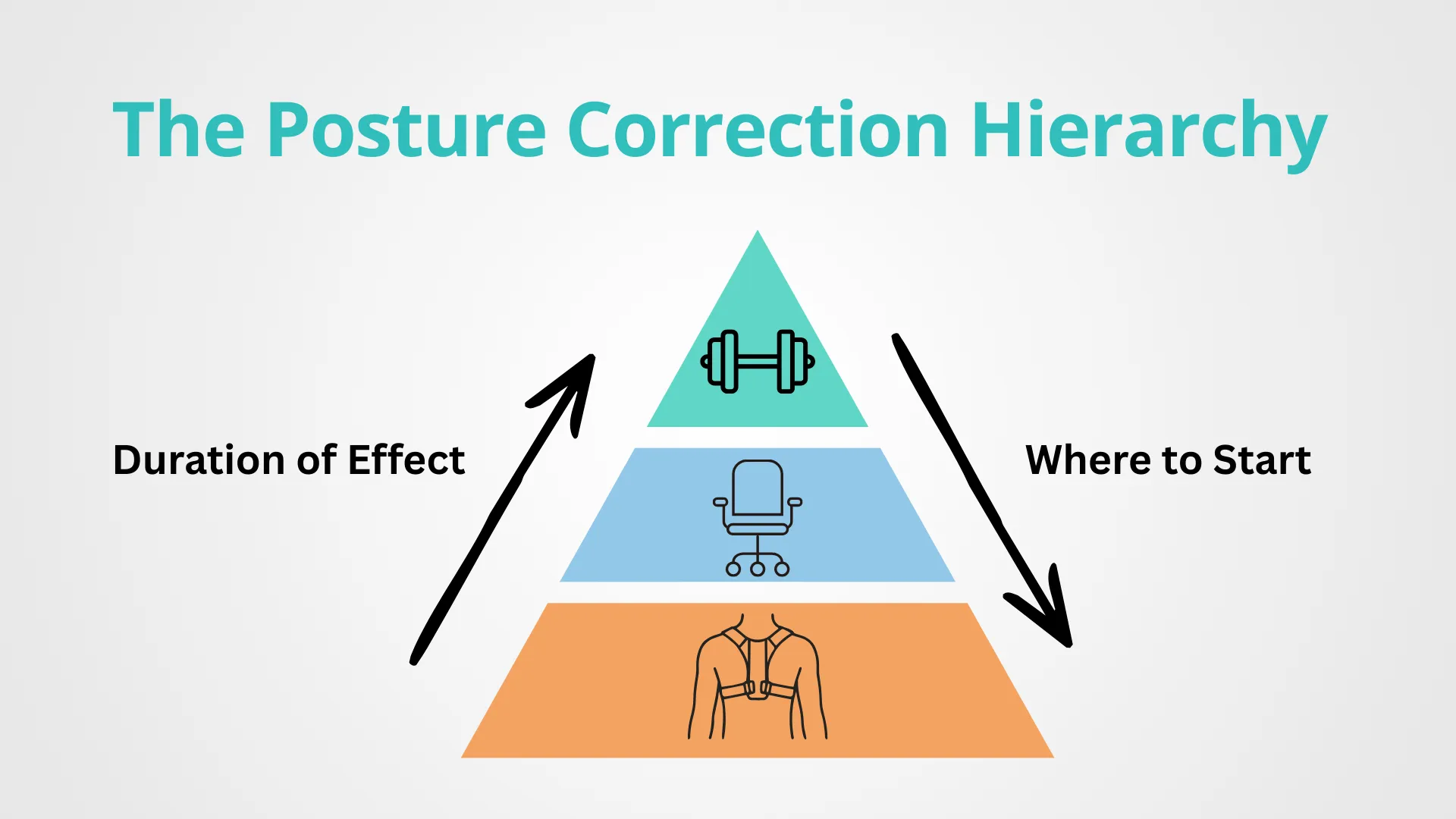
The Posture Correction Hierarchy: A Smarter Fix
Most people treat posture like a single problem with a single fix. Buy a corrector. Problem solved. But posture is a system. And Merryfair’s Posture Correction Hierarchy identifies three tiers of intervention, ranked by how long their effects actually last.
Tier 1: Temporary Awareness (corrective braces, smart trainers, tape)
These tools remind you to sit straight. They build proprioceptive awareness, the body’s sense of where it is in space. But the effect fades when the device comes off. Useful as a starting point, not an endpoint.
Tier 2: Environment Redesign (ergonomic chair, workstation setup, monitor height)
This tier changes the default. When your chair supports your lumbar curve, your monitor sits at eye level, and your armrests keep your shoulders relaxed, good posture stops being a conscious effort. It becomes the easiest position to hold. This is where lasting change begins.
Tier 3: Structural Strength (targeted exercise, stretching, movement breaks)
The most durable tier. Strengthening your posterior chain (rhomboids, lower traps, glutes, core) gives your body the raw capability to hold good posture in any setting, not just your desk. Exercises like rows, planks, and thoracic extensions are the gold standard.
Posture correction that requires willpower will always lose to correction built into your environment.
The mistake most people make? They start at Tier 1 and skip Tier 2 entirely. But without the right chair, even the best exercises lose ground during an 8-hour work day.
What is the best way to fix posture while sitting?
Start with your chair. If it doesn’t have adjustable lumbar support, you’re fighting gravity every minute you sit.
Set your monitor at eye level. Adjust your seat height so your feet are flat and your knees sit at roughly 90 degrees. Keep your back against the lumbar support. And stand up every 45-60 minutes, even briefly.
These adjustments take five minutes. They pay dividends for years. If you’re not sure where to start, this guide on how to choose the right ergonomic chair for your body and workspace walks through every feature that matters.
Can you correct years of bad posture?
Yes, but not with a gadget alone.
Years of slouching create tight chest muscles (pectorals), weakened upper back muscles, and forward head positioning. Reversing this takes two things working together: an environment that supports correct alignment (your chair and workstation) and targeted exercises that rebuild the muscles affected.
A corrective brace can accelerate early awareness during this process. But it’s a supporting actor, not the lead.
How to combine a chair, movement, and awareness for lasting results
Here’s a practical approach to the Posture Correction Hierarchy in action:
- Week 1-2: Set up your ergonomic chair properly. Adjust lumbar support, seat depth, armrests, and monitor height. This is your Tier 2 foundation.
- Week 1-4: Use a corrective brace for 30 minutes during your most slouch-prone hours (often mid-afternoon). This is Tier 1 awareness layered on top.
- Ongoing: Add 3 exercises, 3 times per week: rows, planks, and wall angels. Each session takes under 10 minutes. This builds Tier 3 structural strength.
- By week 4-6: Drop the brace. Your chair holds the alignment. Your muscles hold the strength. The awareness becomes automatic.
Fixing posture starts where posture breaks: the seat beneath you.
Understanding how executive seating connects comfort directly to productivity adds another layer to this. Good posture doesn’t just reduce pain. It sharpens focus.
Your Posture, Your Next Move
Do posture correctors work? They offer a temporary reminder, not a permanent solution. The research is clear: limited short-term benefits, no proven long-term correction, and real risk of muscle weakness with overuse.
The smarter move is fixing the environment where your posture actually breaks down. An ergonomic chair with adjustable lumbar support, proper seat depth, and responsive recline does what no brace can: it keeps your spine aligned for every hour you sit, without you having to think about it.
If you’re ready to stop treating the symptom and start fixing the cause, explore Merryfair’s full range of ergonomic chairs and find the one that fits your body and your work.
Stop strapping correction onto your back. Build it into the place where you sit.
Frequently Asked Questions About Posture Correctors
Do doctors recommend posture correctors?
Most doctors and physical therapists view posture correctors as short-term awareness tools, not standalone treatments. They typically recommend limiting use to 30-60 minutes daily and pairing them with strengthening exercises and ergonomic workstation adjustments. Correctors alone are not a substitute for proper seated support or physical therapy.
How long should you wear a posture corrector each day?
Experts generally recommend wearing a posture corrector for no more than 30 minutes to a few hours per day. Wearing one too long can reduce muscle activation in the upper back, leading to weakness over time. The goal is building awareness, not permanent reliance on external support.
Do posture correctors help with back pain?
Some users report short-term pain relief from corrective braces, likely because realigning the shoulders reduces immediate strain. But research has not established lasting pain reduction from corrector use alone. Addressing the root cause, such as an unsupportive chair or weak postural muscles, produces more reliable relief.
What is better for posture: a brace or an ergonomic chair?
An ergonomic chair provides passive, all-day support for the spine’s natural curves without risk of muscle dependency. A brace is a short-term awareness tool limited to 30-60 minutes of daily use. For anyone who sits for multiple hours daily, the chair delivers far more durable posture benefits.
Is it too late to fix bad posture?
It’s not too late. While correcting years of poor posture takes consistent effort, the body responds to proper alignment and strengthening at any age. Start with an ergonomic chair to support correct positioning, add targeted exercises, and the improvements compound over weeks and months.
This content is for informational purposes only and is not a substitute for medical advice. Consult a qualified healthcare professional before beginning any posture correction program, especially if you have existing spinal conditions or chronic pain.
MORE BLOGS
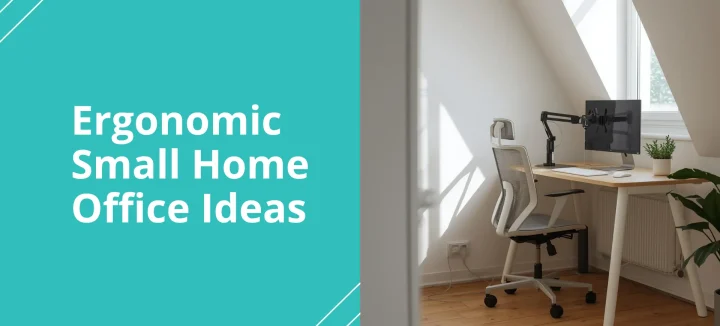
Small Home Office Ideas That Protect Your Back and Save Space
Small home office ideas don’t need to start with Pinterest boards and paint swatches. They need to start with your spine. A PMC study found that 61.2% of home workers reported musculoskeletal discomfort while working remotely, and over half were working from dining tables or bedrooms. The fix isn’t a bigger room. It’s a smarter […]
Read More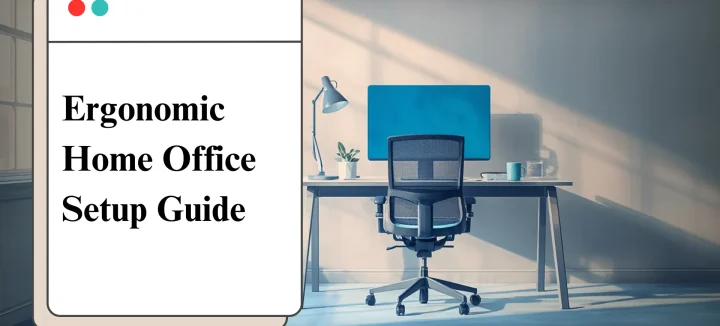
Ergonomic Home Office Setup: A 5-Zone Guide That Works
Your ergonomic home office setup is probably wrong. A PMC study found that 61.2% of home workers reported musculoskeletal discomfort while working remotely. Nearly half were working from dining tables or bedrooms. An ergonomic home office setup comes down to five zones: chair, desk, screen, peripherals, and environment. Get these five right and you fix […]
Read More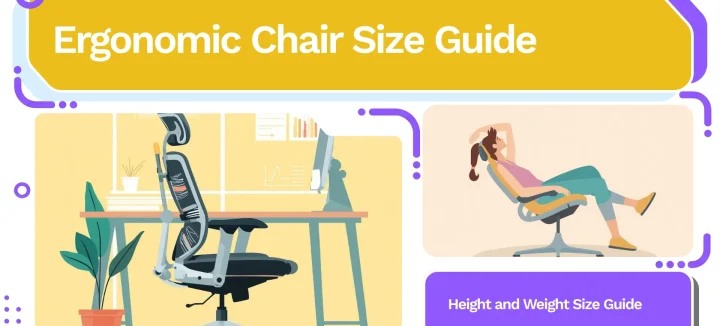
Your Ergonomic Chair Size Guide for Every Height and Weight
An ergonomic chair size guide should start with your body, not a product page. About 40% of the working population falls outside the “standard” range most chairs target. That means your chair might look ergonomic. It could still miss your body entirely. Your ideal chair size comes down to three numbers. Popliteal height (floor to […]
Read More
Office Chair Cost Calculator: Your True Cost Per Sit
An office chair cost calculator reveals something most Malaysian buyers overlook: the daily price of sitting. Divide any chair’s price by the total sits across its lifespan. That one number is the cost per sit. For Malaysian workers averaging 45 hours per week at a desk, the math favours mid-range ergonomic chairs over budget options […]
Read More