The Benefits of Ergonomics: What Sitting Correctly Does to Your Body and Mind
18th March, 2026

The benefits of ergonomics go deeper than back support. A study published in Scientific Reports found that over 80% of office workers showed signs of work-related musculoskeletal disorders. The cause wasn’t physical labour. It was sitting incorrectly, for too long, in a chair that didn’t fit.
Ergonomics reduces back pain, prevents musculoskeletal disorders, improves blood circulation, and sharpens cognitive focus by aligning your workstation to how your body was built to function. A correctly set-up workspace reduces the mechanical load your body absorbs during eight hours of sitting, from your lumbar vertebrae to the veins behind your knees.
Here’s what that looks like inside your body, and what the long-term cost is when ergonomics is missing.
What Are the Benefits of Ergonomics?
The benefits of ergonomics fall into three categories: physical health (reduced pain, better posture and circulation), cognitive performance (sharper focus and lower fatigue), and long-term injury prevention. A Washington State Department of Labor and Industries review of 250 ergonomics case studies found a 59% average reduction in musculoskeletal disorders after ergonomic improvements were made.
| Benefit Category | What Changes | How It Works |
|---|---|---|
| Physical health | Less back pain, reduced MSD risk, better circulation | Neutral posture reduces mechanical load on the spine and joints |
| Cognitive performance | Sharper focus, less fatigue, higher output quality | Physical discomfort removed as a competitor for mental attention |
| Long-term health | Lower risk of chronic pain, disc degeneration, DVT | Static loading reduced before cumulative damage can develop |
According to the U.S. Bureau of Labor Statistics, musculoskeletal disorders, one of the effects of poor sitting posture, account for 30% of all workplace injury cases resulting in days away from work. These aren’t minor inconveniences. They’re the single largest category of occupational injury.
Ergonomics doesn’t improve comfort. It reduces the measurable biological cost your body pays for sitting incorrectly across an eight-hour workday. [QUOTABLE]
How Ergonomics Reduces Back and Neck Pain

Ergonomic seating reduces back and neck pain by maintaining the lumbar spine’s natural inward curve, cutting the intradiscal pressure and chronic muscle strain that cause most work-related lower back disorders.
The lower back, specifically the lumbar spine region between the L4 and L5 vertebrae, bears the most load during prolonged seated posture. Without adequate lumbar support, the natural inward curve gradually flattens. Intradiscal pressure rises. The surrounding muscles, ligaments, and intervertebral discs absorb chronic stress they weren’t designed to carry continuously.
A well-designed ergonomic chair addresses this with adjustable lumbar support in both height and depth. The support aligns with your lumbar curve specifically, rather than sitting above or below it. That misalignment is the core problem with fixed lumbar pillows on standard chairs: the concept is right, the execution is wrong for most bodies.
Most work-related back pain isn’t caused by heavy lifting. It’s caused by hours of sitting in a chair that doesn’t fit the person using it. [QUOTABLE]
What Ergonomics Does to Your Posture and Spine
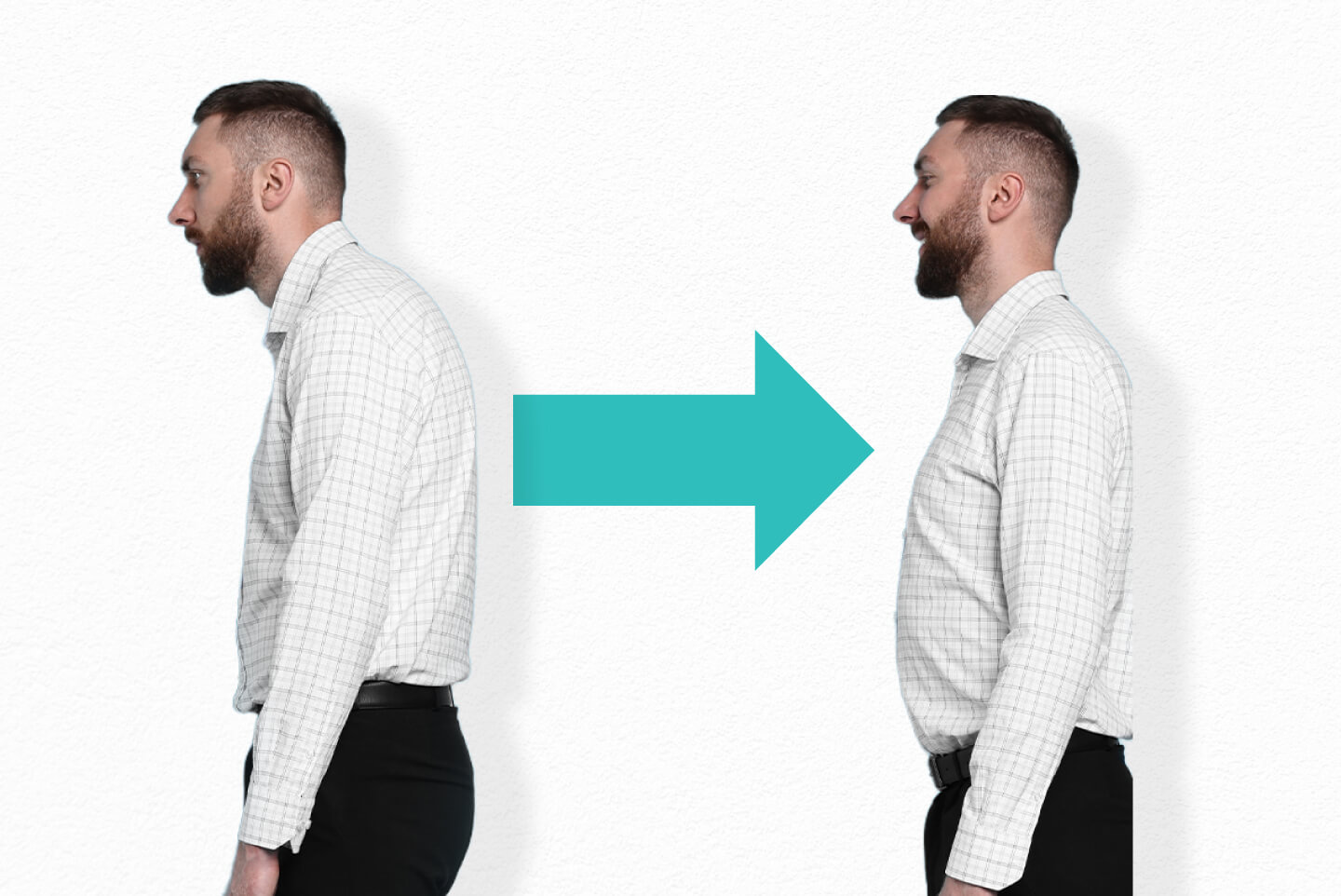
Ergonomics improves posture by providing structural support for neutral spinal alignment, removing the mechanical conditions that cause the body to collapse during extended sitting. Neutral posture means the spine holds its natural S-curve, shoulders stay relaxed, and hips sit at or slightly above knee height.
Poor posture is rarely a willpower problem. It’s a structural one: the chair doesn’t support neutral posture, so the body folds into the path of least resistance.
Chairs engineered around this principle, like the Reya with its flexible backrest that follows the spine’s natural shape, maintain lumbar contact throughout movement rather than only at a single fixed angle. The spine shifts as you move. The chair needs to shift with it.
Preventing Musculoskeletal Disorders Through Ergonomics

Ergonomics prevents musculoskeletal disorders by reducing static muscle loading: the sustained tension that builds when joints and muscles hold a fixed position for hours without adequate support or natural movement.
Musculoskeletal disorders (MSDs) are injuries and conditions affecting the muscles, tendons, ligaments, nerves, and joints. In a sedentary work context, they develop slowly. Common work-related MSDs include lower back syndrome, cervical spondylosis, tension neck syndrome, carpal tunnel syndrome, and repetitive strain injury.
Musculoskeletal disorders don’t announce themselves. They accumulate quietly for months before the discomfort becomes persistent enough to name. [QUOTABLE]
Chairs with adjustable seat depth, 3D or 4D armrests, and synchronised recline mechanisms reduce static loading by letting the body shift naturally throughout the day. The Anggun’s weight-sensing tilt mechanism automatically adjusts recline resistance to body weight, keeping back muscles engaged at the right level rather than overloaded.
How Proper Sitting Position Improves Blood Circulation

Correct sitting position improves circulation by eliminating compression of the popliteal region behind the knees, restoring venous return from the lower legs and reducing the fatigue and swelling that prolonged sitting otherwise causes.
When the seat edge is too high or the seat pan too deep, it compresses the popliteal region, restricting venous return from the lower legs. The result: fatigue, swelling, and in more severe cases, elevated risk of deep vein thrombosis (DVT).
Correct seat height — thighs roughly parallel to the floor, feet flat on the ground — eliminates this compression. Breathable mesh materials allow airflow beneath and behind the body, reducing skin temperature and the constant shifting in the seat that signals restricted blood flow.
If you’re shifting constantly in your chair, that’s not a focus problem. That’s your body signalling that circulation is being restricted. [QUOTABLE]
The Role of Movement in Ergonomic Sitting
Ergonomics supports spinal health through movement, not just position. Intervertebral discs depend on regular micro-movement to exchange nutrients, a process called imbibition. A chair that restricts natural shifting accelerates disc dehydration over time.
The human spine wasn’t designed for static postures. When you hold one position for hours, disc nutrition slows. Muscles compensate by gripping harder. The load that should distribute naturally stays fixed on the same tissues.
Chairs with dynamic backrests move with the body rather than working against it. The Wau’s hip-pivot recline maintains the lumbar curve through movement rather than locking it into a single angle. In the short term, the difference is subtle. Across months of daily use, it compounds.
How Ergonomics Affects Mental Clarity and Reduces Fatigue

Ergonomics reduces mental fatigue by eliminating physical discomfort that competes for cognitive attention. Research shows a 25% average productivity gain after ergonomic improvements, reflecting what happens when physical strain stops interfering with sustained focus.
Physical discomfort is a cognitive load. When your lower back aches or your neck tightens, part of your attention is continuously occupied managing that pain. It doesn’t feel like thinking. But it costs the same mental bandwidth.
Ergonomics doesn’t make people sharper. It removes the physical interference that stops them from thinking at their actual capacity. [QUOTABLE]
There’s also a fatigue dimension distinct from pain. Poor chair support forces muscle groups to work harder to maintain upright posture, burning energy continuously to compensate for structural inadequacy. Remove that drain and energy levels stabilise across the workday. The connection between physical comfort and sustained output quality is no longer a soft benefit. It’s a measurable one.
The Long-Term Consequences of Poor Ergonomics
Poor ergonomics doesn’t produce acute injuries. It produces chronic ones, developing so gradually that most people dismiss early signals until the damage is structural rather than functional. The conditions behind MSD diagnoses are typically present for years before anyone identifies them as a problem.
What happens to your spine after years of poor posture?
Years of poor posture cause progressive disc degeneration, facet joint stress, and gradual loss of the lumbar curve, beginning as stiffness and progressing to persistent pain that doesn’t resolve with rest.
Intervertebral discs under sustained asymmetric load lose hydration and height over time. Facet joints begin carrying load they weren’t designed for. Ligaments stretch and lose tension. None of this announces itself clearly until it has progressed well past the point of easy correction.
What most people notice first is that the discomfort takes longer to go away after work. Then it doesn’t fully go away. Then it’s there in the morning.
What are the cardiovascular risks of prolonged sitting?
Prolonged sitting increases cardiovascular risk through reduced venous return, lowered metabolic rate, and sustained elevation of stress markers tied to physical discomfort and sedentary behaviour.
Sitting for extended periods reduces lipoprotein lipase activity, impairing fat metabolism and raising cardiovascular risk markers. According to the World Health Organization, physical inactivity is among the leading risk factors for global mortality — and sedentary desk work is one of the most pervasive forms of it. Understanding how chronic back pain develops from static loading makes clear why addressing posture early is a health decision, not just a comfort one.
When does discomfort become a diagnosis?
Musculoskeletal disorders progress in stages. Tension neck syndrome becomes cervical spondylosis. Wrist fatigue becomes carpal tunnel syndrome. The shift from discomfort to diagnosis is a matter of continued exposure, not a sudden event.
By the time a musculoskeletal disorder has a name, the conditions that created it have usually been present for years. [QUOTABLE]
This is why ergonomics functions as prevention rather than treatment, and why posture correctors don’t address the underlying structural cause the way a correct seating setup does. The chair you sit in today shapes the physical conditions you’ll manage in five years.
The Smartest Decision You Make for Your Workday
Ergonomics doesn’t ask for much. A chair that fits your spine. A seat height that doesn’t cut circulation. A backrest that moves when you do.
The body adapts to whatever conditions it spends eight hours a day in. Ergonomics makes sure those conditions are worth adapting to. [QUOTABLE]
The returns are disproportionate: less chronic pain, sharper thinking, fewer long-term injuries, and a measurable reduction in the health cost of sedentary work. If you’re evaluating where to start, the best ergonomic chairs across every price point breaks down what to prioritise at different investment levels.
Frequently Asked Questions
What are the main benefits of ergonomics?
The main benefits of ergonomics are reduced back and neck pain, prevention of musculoskeletal disorders, improved blood circulation, sharper mental focus, and lower long-term injury risk. A Washington State Department of Labor and Industries review of 250 case studies found a 59% average reduction in musculoskeletal disorders and a 25% productivity increase after ergonomic improvements.
How does an ergonomic chair reduce back pain?
An ergonomic chair reduces back pain by maintaining the lumbar spine’s natural inward curve through adjustable lumbar support, which lowers intradiscal pressure at the L4 and L5 vertebrae. Without this support, the spine rounds under the weight of the upper body, placing chronic stress on the discs, muscles, and ligaments of the lower back.
What does poor posture do to your body over time?
Poor posture progressively flattens the lumbar curve, accelerates intervertebral disc degeneration, and places sustained stress on the facet joints and surrounding ligaments. What begins as end-of-day stiffness often develops into persistent pain, reduced spinal mobility, and in some cases structural changes that don’t resolve without medical intervention.
Does ergonomics improve mental focus and reduce fatigue?
Yes. Physical discomfort from poor seating competes for cognitive attention, reducing the bandwidth available for sustained focus. Ergonomic improvements remove this background drain, which research links to a 25% average gain in productivity and measurable improvements in concentration and task accuracy throughout the workday.
How does sitting position affect blood circulation?
A seat that is too high or too deep compresses the popliteal region behind the knees, restricting venous return from the lower legs. This causes fatigue, swelling, and in prolonged cases, elevated risk of deep vein thrombosis. Correct seat height and depth restore normal blood flow and reduce these effects directly.
What is the role of movement in ergonomic sitting?
Movement is central to ergonomic sitting. Intervertebral discs rely on movement to exchange nutrients through imbibition, and static posture over long periods slows this process. A chair with a dynamic backrest supports micro-movement throughout the workday, maintaining disc health and reducing the cumulative effects of prolonged static loading.
Is an ergonomic chair enough on its own?
A good ergonomic chair is the foundation, but it works best alongside correct monitor height, keyboard and mouse positioning, and regular movement breaks. The chair addresses seated posture. The rest of your workstation needs to complement it, and fitting an office chair to your specific body is the starting point for getting the full benefit.
What features should I look for in an ergonomic chair?
Prioritise adjustable lumbar support in both height and depth, an adjustable seat depth, a breathable backrest, and a recline mechanism that moves with your body. Armrests should adjust in height, width, and angle to keep shoulders relaxed and wrists neutral. These are the variables that separate chairs that genuinely support the spine from those that only approximate the idea.
MORE BLOGS
Correct Sitting Posture: Step-by-Step Office Chair Guide
Correct sitting posture breaks down within 20 minutes for most people. That’s the finding from Cornell University’s ergonomics research. Your body starts slouching before you notice it. And by mid-afternoon, most desk workers are sitting in a shape their spine was never designed to hold. So what does correct posture look like? It starts at […]
Read More
Standing Desk vs Ergonomic Chair: How to Pick the Right One
Standing desk vs ergonomic chair is the wrong question. Here’s why. Even standing desk owners still sit for 75 to 80 percent of their workday. That data comes from ProtoArc’s workplace wellness research. Your body doesn’t need you to pick sides. It needs support when you sit and movement when you’ve sat too long. This […]
Read More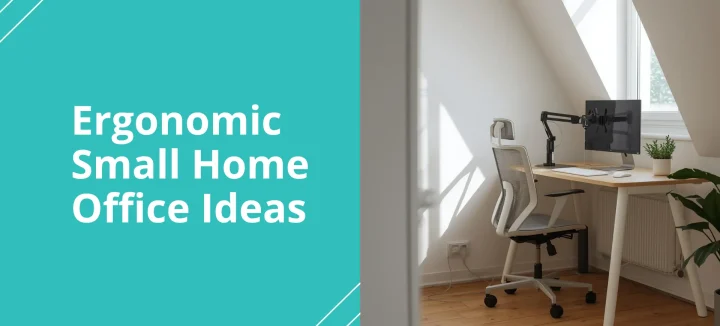
Small Home Office Ideas That Protect Your Back and Save Space
Small home office ideas don’t need to start with Pinterest boards and paint swatches. They need to start with your spine. A PMC study found that 61.2% of home workers reported musculoskeletal discomfort while working remotely, and over half were working from dining tables or bedrooms. The fix isn’t a bigger room. It’s a smarter […]
Read More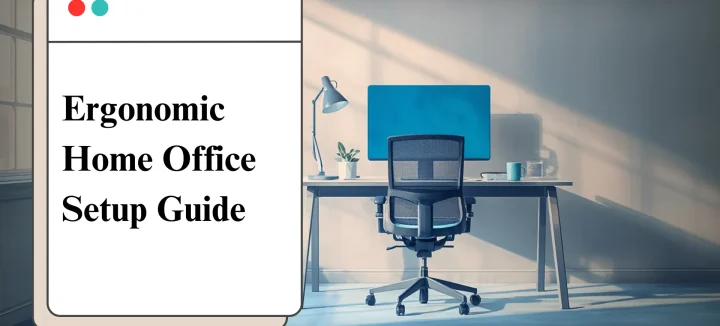
Ergonomic Home Office Setup: A 5-Zone Guide That Works
Your ergonomic home office setup is probably wrong. A PMC study found that 61.2% of home workers reported musculoskeletal discomfort while working remotely. Nearly half were working from dining tables or bedrooms. An ergonomic home office setup comes down to five zones: chair, desk, screen, peripherals, and environment. Get these five right and you fix […]
Read More